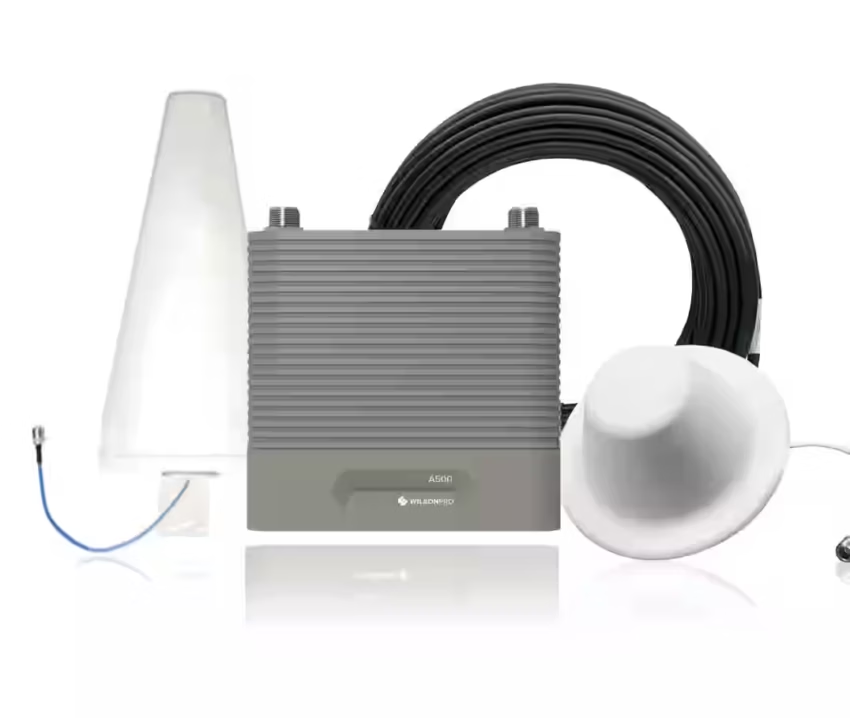
Choosing the best cell phone signal booster depends on where the weak signal occurs and how much indoor coverage you need. For a typical home, weBoost Home MultiRoom, weBoost Home Complete, or SureCall Flare 3.0 may be suitable. CEL-FI GO models are a better fit when you need higher gain or carrier-specific performance.
A cell phone booster for home can help when a usable signal reaches the building from outside. The carrier you use, outdoor signal strength, coverage area, and installation setup can all change how well the system performs. A booster cannot provide cellular service in a location where no usable signal reaches the property in the first place.
1. weBoost Home MultiRoom
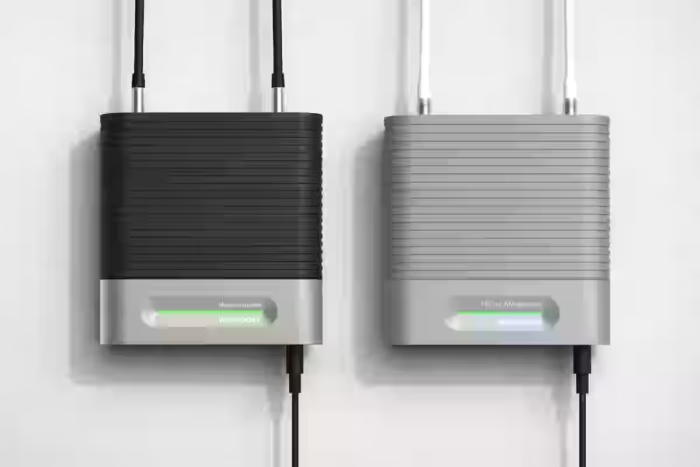
The weBoost Home MultiRoom fits typical homes where cellular service reaches the property but becomes weaker indoors. It works with all major U.S. carriers and supports cellular devices using 5G. Under suitable signal conditions, the system is rated to cover up to three large rooms, with coverage extending to about 5,000 square feet.
You can complete installation through the weBoost app, and there is also a tool-free setup option. The system’s key benefit is home cell signal coverage across several rooms. Still, results depend on the signal reaching the house from outside and how the antenna is positioned.
Price: The current listed price is $569.99, according to the manufacturer’s official product page.
2. SureCall Flare 3.0
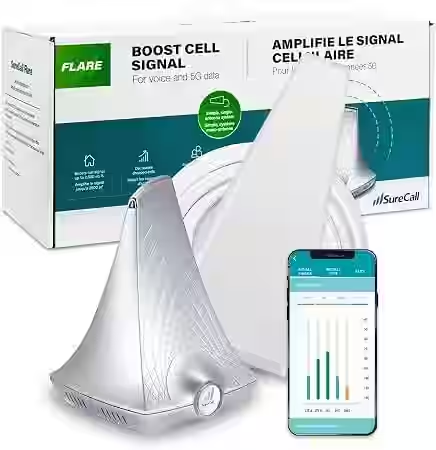
For smaller and medium homes, the SureCall Flare 3.0 offers a lower-cost way to address weak indoor reception. It works with major U.S. carriers, including AT&T, T-Mobile, and Verizon, and supports 5G and 4G LTE. The outdoor Yagi antenna picks up the available signal before the indoor antenna rebroadcasts it. SureCall rates the system for up to 3,500 sq. ft. You can handle installation yourself through the SureCall app. Coverage still depends on the signal outside the home. The listed price is $399.99.
3. CEL-FI GO G41
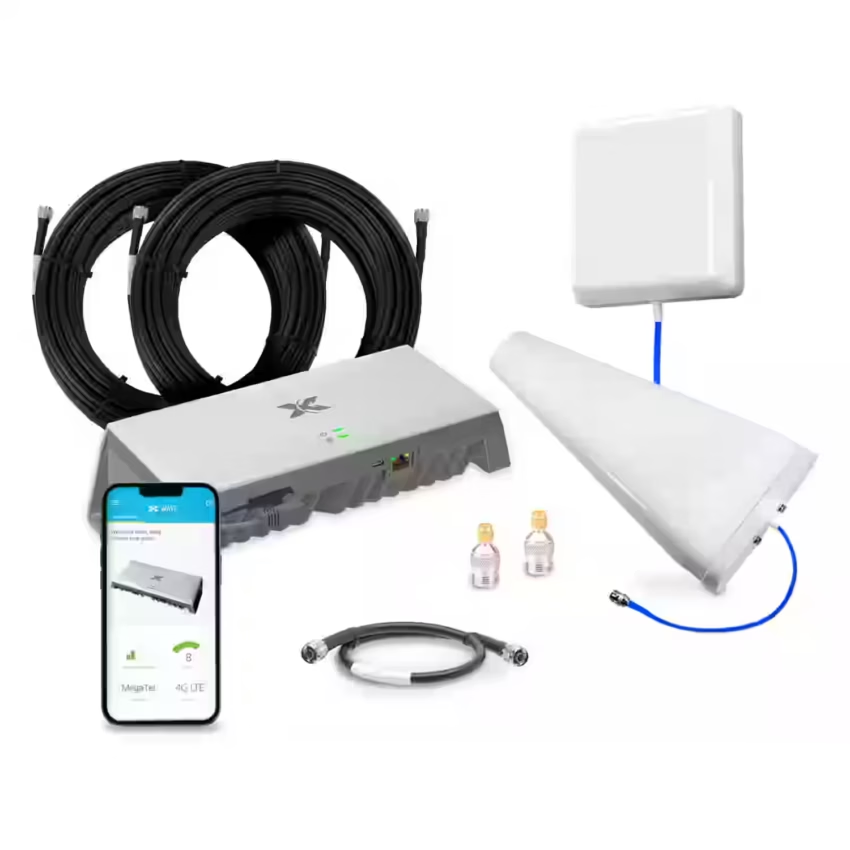
The CEL-FI GO G41 makes more sense when coverage is needed from a single mobile carrier, not several carriers at once. It supports 4G and 5G connectivity and can provide up to 100 dB of gain. That makes it useful for rural homes, larger residences, or small business sites with weak indoor reception.
The carrier can be selected or changed using the WAVE App. There is one clear trade-off: only one operator can be supported at a time. Nextivity does not publish a direct consumer price, so buyers must check authorized dealers for pricing based on the seller and installation needs.
4. CEL-FI GO G43
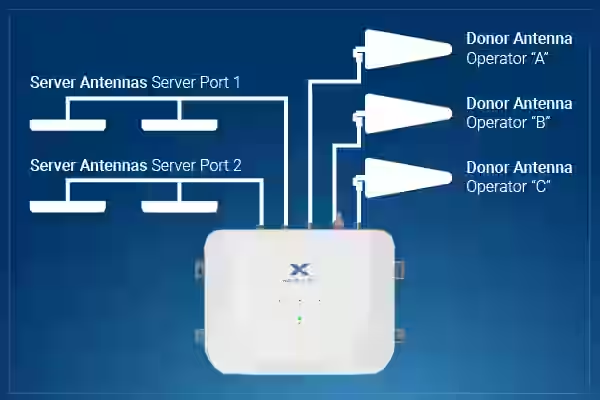
The CEL-FI GO G43 is meant for situations where more than one mobile operator needs coverage at the same site. It can support up to three operators while handling 4G and 5G cellular coverage, with up to 100 dB of system gain. Rather than serving as a typical home cell signal booster, the G43 is aimed at small businesses such as retail shops and branch offices.
Installation can take a few hours, and the WAVE Portal allows remote monitoring. Nextivity does not publish a retail price, so buyers need to contact an authorized partner. It makes sense mainly for commercial spaces where several carrier networks need reliable indoor coverage.
5. weBoost Home Complete
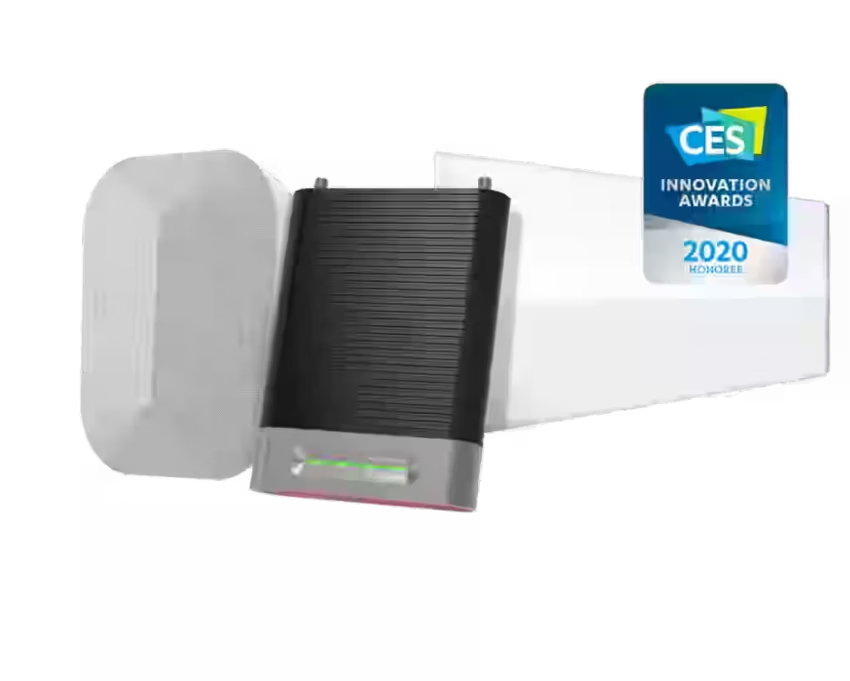
The weBoost Home Complete is meant for larger homes where a smaller cell signal booster may leave parts of the house without enough reception. The manufacturer rates it for up to 7,500 square feet and says it supports major U.S. carriers, including devices using 5G. That extra coverage can suit homes with several cellular devices in use.
Setup is designed for DIY installation, with guidance available through the weBoost app. It costs more than the Home MultiRoom because it covers a larger area. A two-year warranty is included. The current manufacturer price is $999.99, so it is mainly worth considering for larger properties that need broader coverage.
6. HiBoost 10K Smart Link
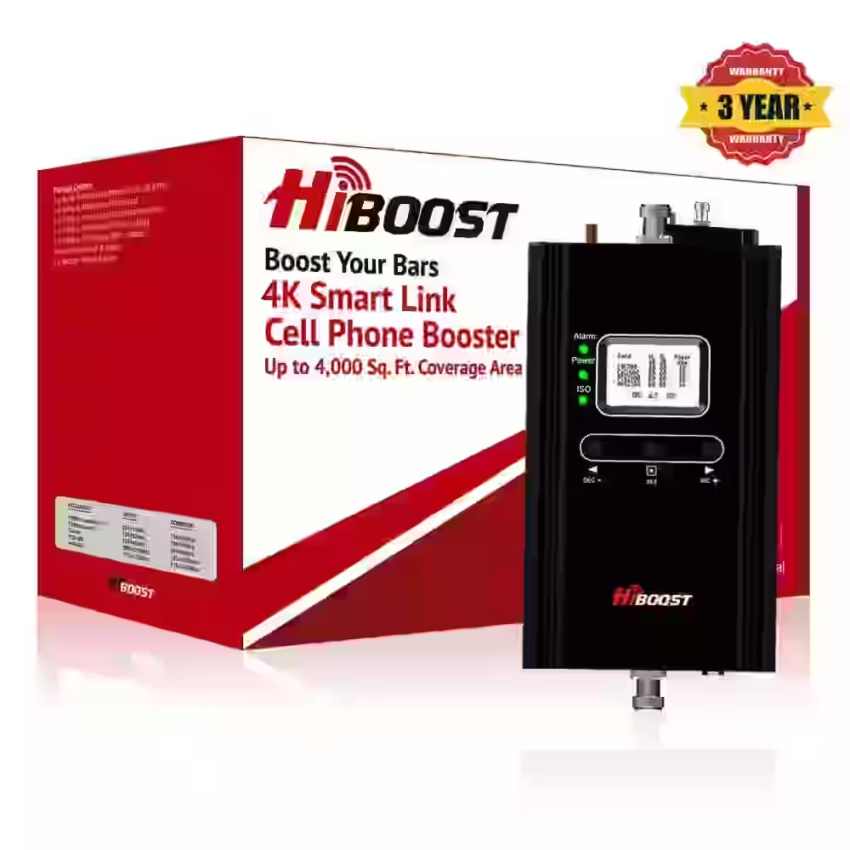
The HiBoost 10K Smart Link makes sense for a larger home that needs a more affordable home cell signal booster. It carries a 4,000 to 10,000 square foot rating and works with major U.S. carriers, including 5G networks. The Signal Supervisor app provides booster monitoring, while the LCD shows status details locally.
Setup requires the outdoor antenna to be positioned first, followed by the booster and indoor antenna connections. HiBoost currently lists it at $509.99. Keep in mind that the 10,000-square-foot rating assumes a strong outdoor signal, so actual coverage can be lower.
7. weBoost Drive Reach
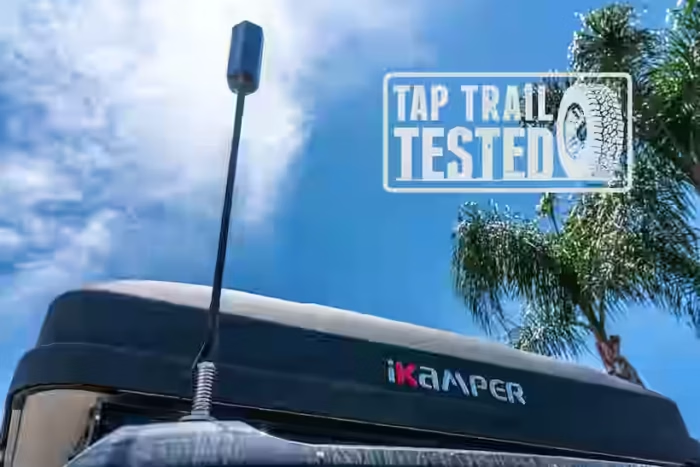
The weBoost Drive Reach is intended for cars, trucks, SUVs, and vans where reception drops during a trip. Its roof-mounted external antenna picks up signal from nearby towers, while the internal antenna rebroadcasts it inside the cabin. Home boosters are usually rated by square footage, but that measure does not apply well to vehicles.
The system supports all U.S. carriers, including 5G, and is particularly useful in rural areas where towers are farther away. Installation is tool-free and generally takes 15–20 minutes. The booster is designed to maintain a connection with distant towers while driving. The current price is $499.99.
8. SureCall Fusion2Go Max
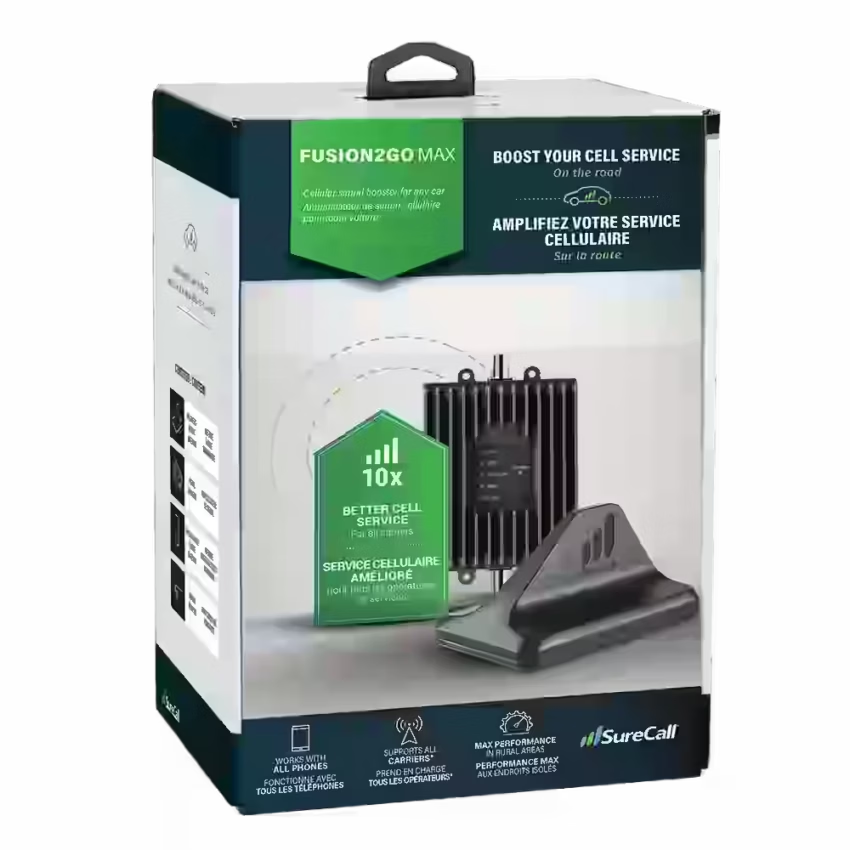
The SureCall Fusion2Go Max is aimed at RV travelers who lose reception as they move through different coverage areas. An exterior antenna picks up the available signal, then an interior antenna rebroadcasts it inside the RV. It works with major U.S. carriers and supports 4G LTE and 5G networks. DIY installation is possible, and the system draws power from the vehicle’s 12V outlet.
Unlike a home cell signal booster, this model is meant for the RV cabin rather than a fixed property. Its performance still depends on the signal reaching the vehicle from nearby towers. Prices vary by model and seller, so check the current manufacturer listing before buying.
9. SureCall 5X Max
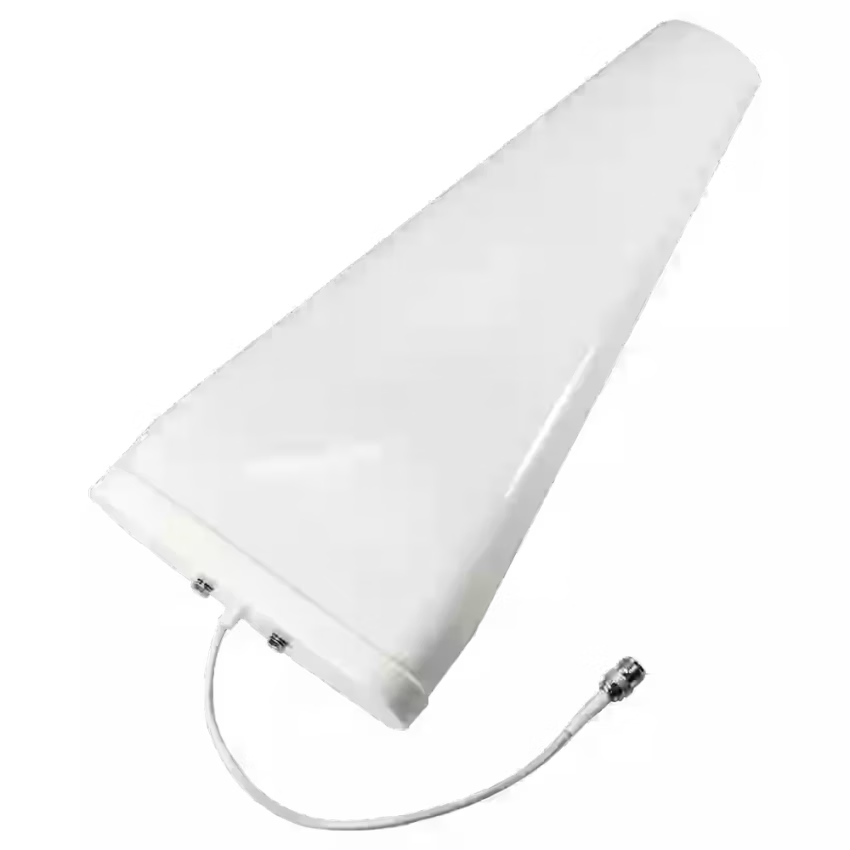
The SureCall 5X Max is better suited to large properties where ordinary cell signal boosters may not deliver enough indoor coverage. Its high-gain setup relies on an outdoor antenna to pick up the available signal before sending it inside. The standard kit is rated for up to 20,000 square feet with two indoor antennas.
Extra components can extend coverage for larger installations. It supports major North American carriers on 4G LTE and 5G. Installation takes more planning because antenna placement and low-loss cabling become more critical. SureCall lists it at $6,299, putting it well beyond what most typical homes need.
10. HiBoost 15K Smart Link Deluxe
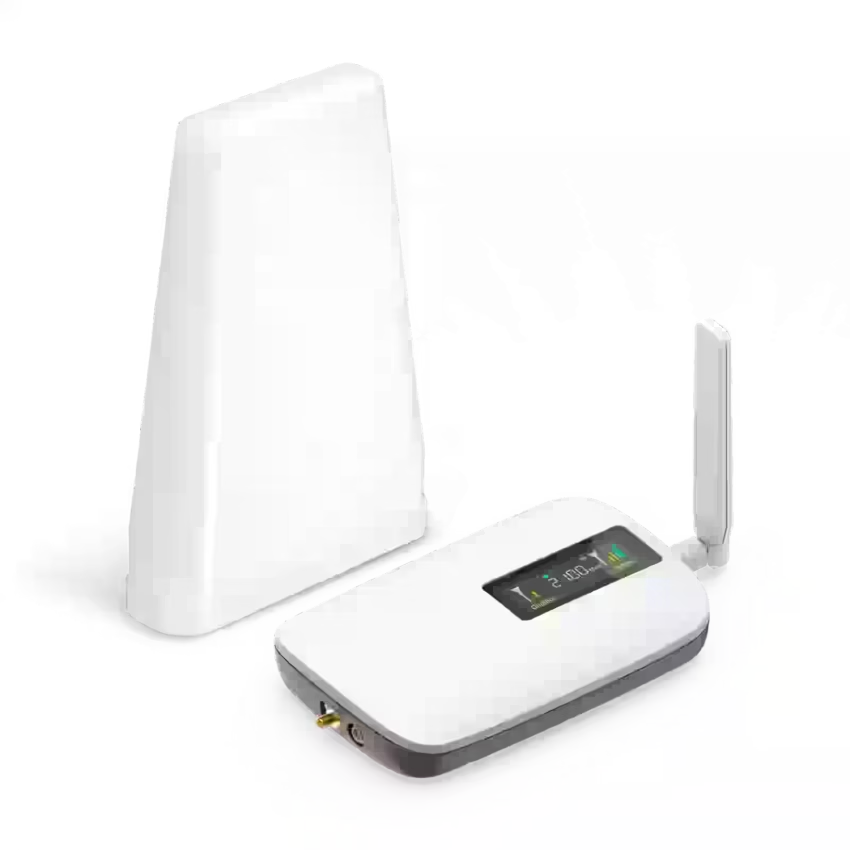
The HiBoost 15K Smart Link Deluxe sits toward the higher-capacity end of the cell signal booster range. It makes more sense for large homes, offices, or commercial spaces than smaller booster systems. The Smart Link platform provides app-based monitoring, and the system supports multiple U.S. carriers.
Because of its capacity, installation needs more attention, especially when positioning the outdoor antenna and routing cable. The original Blogging Republic list featured the HiBoost 15K in 2020, but the category has changed since then. Check the current equivalent before buying, as model names, specifications, and prices may no longer match the older recommendation.
How to choose a cell phone signal booster?
Picking a cell phone signal booster is easier once you know what is causing the weak reception. Start by checking the signal outside the property, then make sure the booster suits your carrier and coverage area. Check its supported bands, antenna type, and installation requirements too. A higher-powered model is not always the right choice for your particular setup.
Start with the signal outside your building
A cell signal booster works by strengthening a cellular signal that is already present. It cannot provide service when there is no usable signal outside the property. Check the outdoor reading in dBm instead of judging reception from phone bars alone. A distant tower, surrounding terrain, or thick building materials may reduce the signal before it gets indoors, making an outside measurement a useful starting point.
Start with the signal outside your building
A cell signal booster only strengthens cellular service that is already available outside the property. It will not restore coverage in an area with no usable signal. Check the outdoor reading in dBm instead of depending on phone bars. A tower located farther away may provide a weaker signal, while terrain or building materials can reduce it further before it enters the building.
Match coverage to your space
A compact cell phone signal booster may be enough for an apartment, but a 2,000 sq. ft. home can call for wider coverage. Rural homes with more space may need a stronger system, while offices and warehouses often require different antenna arrangements. Manufacturer coverage figures should be treated as advertised maximums, not promised indoor coverage. Actual results depend on the available signal and how the system is installed.

- OpenAI Discovers Self-Replicating Prompt Injection - September 27, 2026
- AI Safety Monitors Are Being Tested: What AISI Found - September 25, 2026
- Top 10 Influencer Marketing Agencies in Delhi - September 24, 2026