
Last Updated on September 5, 2026
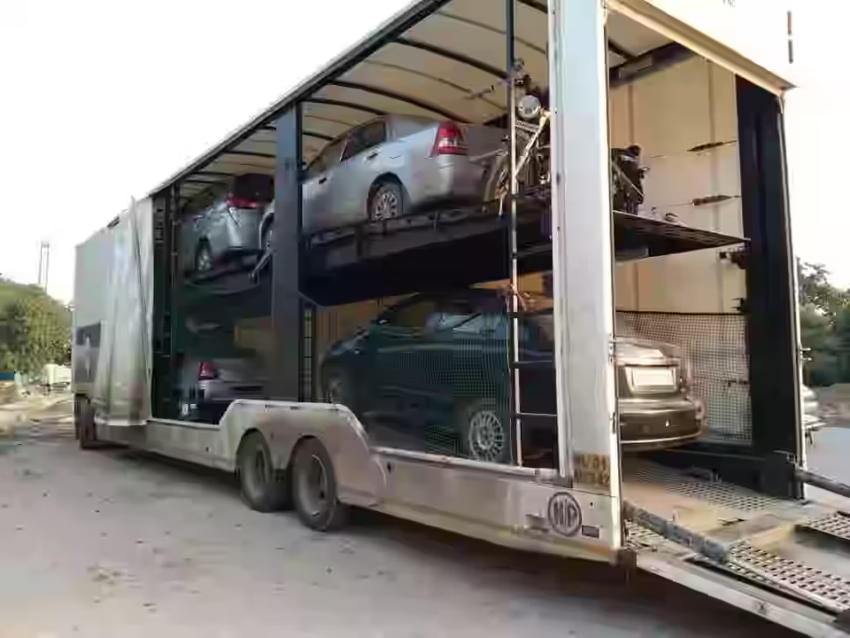
Transporting a vehicle over a long distance can seem complicated at first. Whether you are moving home, buying a car from another city, sending a vehicle to a family member, or relocating for work, there are several details to organize. Fortunately, preparing early can make the entire experience much more manageable.
Here are some practical ways to plan vehicle transportation while keeping unnecessary stress to a minimum.
Start Planning as Early as Possible
Leaving vehicle transportation until the last minute can limit your options and create unnecessary pressure. As soon as you know approximately when the vehicle needs to be moved, start researching how the process works.
Consider your preferred collection and delivery dates, the distance involved, and whether you have any flexibility. Having alternative dates can be useful if transport availability changes.
Early preparation also gives you more time to compare different options rather than feeling pressured to accept the first one available.
Compare Your Transportation Options
Vehicle transportation services can vary considerably, so take some time to understand what is included before making a decision. Price is naturally important, but it should not be the only consideration.
Look at factors such as expected transportation times, collection arrangements, delivery procedures, insurance, and communication. If you are arranging a move to or from California, for example, comparing Sacramento car transporters can help you understand the different services available for your particular journey.
Make sure you know exactly what you are agreeing to before confirming the transportation.
Prepare Your Vehicle
A little preparation can help prevent complications on collection day. Remove personal possessions and anything valuable from the vehicle unless you have specifically been told they can remain inside.
It is also sensible to check the vehicle for existing damage. Take clear photographs of the exterior from several angles, including close-ups of any scratches or dents. These provide a useful record of the vehicle’s condition before transportation.
Check whether there are any specific requirements concerning fuel levels, alarms, removable accessories, or modifications.
Keep Important Information Together
Transportation arrangements often involve several pieces of information, including contact details, booking confirmations, collection addresses, delivery locations, and estimated dates.
Keep these details somewhere easily accessible rather than searching through emails when you need them. You may also want to save the transporter’s contact information in your phone.
If someone else will be present for collection or delivery, make sure they have all the necessary details too.
Allow Some Flexibility
Vehicle transportation can sometimes be affected by traffic, weather, mechanical issues, or changes to schedules. Building some flexibility into your plans can therefore reduce frustration.
Avoid arranging an important appointment immediately after the estimated delivery time if possible. Giving yourself some breathing room means that a minor delay is less likely to disrupt the rest of your plans.
Check the Vehicle on Arrival
When the vehicle reaches its destination, inspect it before considering the process complete. Compare its condition with the photographs you took beforehand and check for anything unexpected.
Planning vehicle transportation does not need to become another major source of stress. By starting early, understanding your options, preparing the vehicle properly, keeping information organized, and allowing for possible delays, you can make the process considerably smoother from collection through to delivery.

- OpenAI Discovers Self-Replicating Prompt Injection - September 27, 2026
- AI Safety Monitors Are Being Tested: What AISI Found - September 25, 2026
- Top 10 Influencer Marketing Agencies in Delhi - September 24, 2026